What Is Refinance Break-Even Analysis?
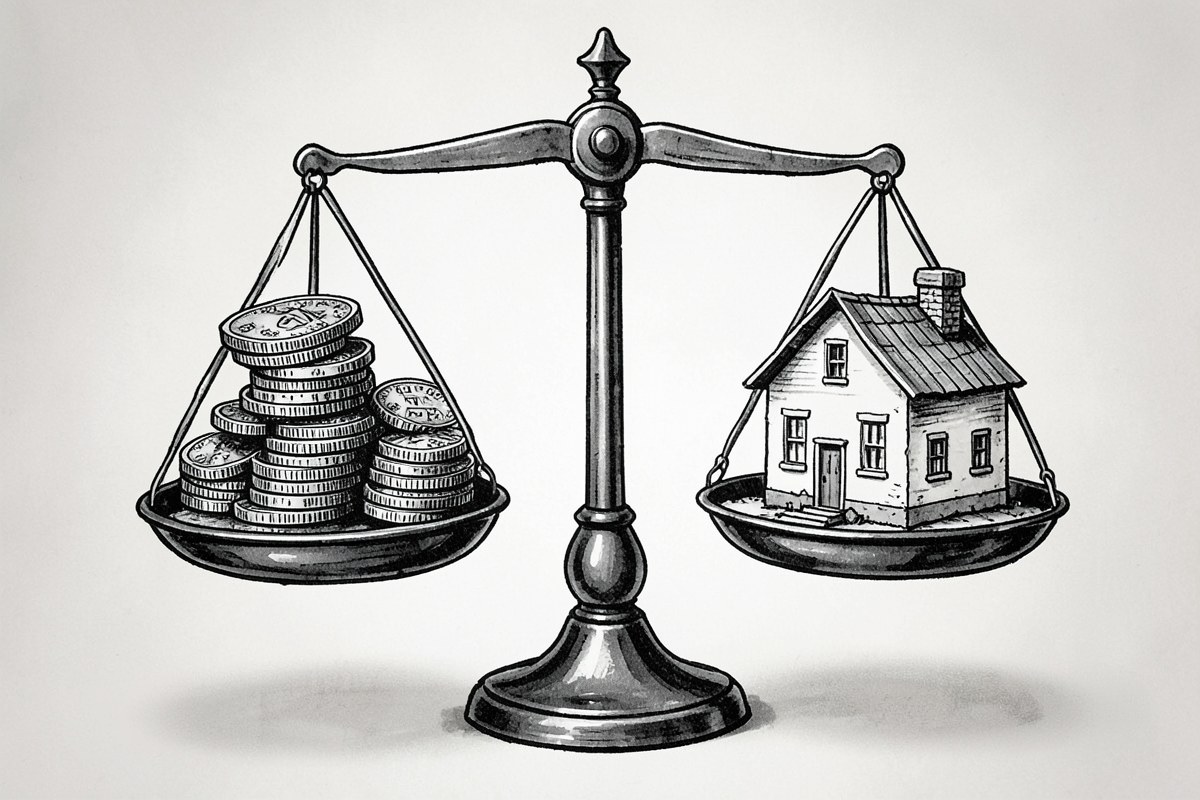
Refinance break-even analysis is a simple calculation that shows how many months it will take for your monthly savings from a new loan to cover the upfront costs of refinancing. The break-even point is the moment when the savings from a lower monthly payment exceed the total refinancing costs. After that point, the refinance starts to pay off.
This analysis helps you compare the cost of refinancing against the benefit of lower payments. It is especially important because refinancing involves significant closing costs, and you want to know how long you'll need to stay in your home to make those costs worthwhile.
- The break-even point is calculated by dividing total refinancing costs by the monthly savings.
- Monthly savings is the difference between your current monthly payment and the new estimated monthly payment.
- If you plan to move before reaching the break-even point, refinancing is unlikely to recover the upfront costs.
Sources: Bear Savings, Loan Pronto
Gathering Your Current Loan Details
To calculate your break-even point accurately, start with the details of your current mortgage. You'll need your current monthly principal and interest payment, your outstanding loan balance, and your current interest rate. You also need to know how many months are left on your loan term.
Having these figures at hand will help you estimate the new payment and compare apples to apples. If you have an escrow account for taxes and insurance, note that those costs are not part of the mortgage payment used in the break-even calculation; focus only on principal and interest.
- Current monthly principal and interest payment
- Outstanding loan balance
- Current interest rate
- Remaining loan term
Sources: Freedom Mortgage
Calculating Refinancing Costs
Next, total up the closing costs you'll pay for the refinance. These costs include application fees, appraisal fees, title insurance, attorney fees, and any points you pay to lower your rate. Your lender will provide a Loan Estimate that itemizes these costs, so you can use that document to get an accurate total.
Some lenders advertise 'no closing cost' refinances, but these usually involve a higher interest rate or the costs are rolled into the loan balance. Make sure you understand the true cost structure before you assume you have no upfront costs.
- Application fees and appraisal fees
- Title insurance and attorney fees
- Points paid to reduce your interest rate
- Other closing costs itemized in your Loan Estimate
Sources: Bear Savings
Estimating Monthly Savings
The monthly savings is the difference between your current monthly payment and your new estimated monthly payment. To get a reliable estimate, use a mortgage calculator with your new interest rate and the same loan amount, but keep the loan term consistent. If you extend the term, your payment may drop more, but you might pay more interest over time.
That's the number you'll use in the break-even calculation.
- Subtract the new estimated monthly mortgage payment from the current payment.
- Use a mortgage calculator for an accurate estimate.
- Remember that extending the loan term may lower payments but increase total interest.
Sources: Freedom Mortgage, Bear Savings
Computing the Break-Even Point
The break-even point is simply the total refinancing costs divided by your monthly savings. The result is the number of months it will take to recover the costs.
This calculation assumes your monthly savings remain constant and that you don't incur additional costs or change your payment amount. It gives you a clear target: if you plan to stay in the home longer than the break-even period, the refinance is likely to save you money.
- Break-even point = total refinancing costs ÷ monthly savings
- Result is in months
- Compare to how long you plan to stay in your home
Sources: Loan Pronto, Quicken Loans, Freedom Mortgage
Long-Term Savings vs. Break-Even
The break-even point tells you when you start saving, but it's also important to consider the long-term picture. After you pass the break-even point, the monthly savings continue to add up. However, if you extend your loan term, you may end up paying more total interest, even with a lower rate. So you need to weigh the monthly savings against the total interest cost over the life of the loan.
For many homeowners, the break-even point falls within two to three years, depending on loan size, fees, and rate reduction. A good rule of thumb is that if you break even within 12–24 months, refinancing is often a good choice, especially if you plan to stay in the home longer. Some lenders suggest that a five-year break-even can be reasonable if you plan to stay long-term and not refinance again within that period. Your own situation will determine the right threshold.
- After break-even, you start to save money.
- Extending the term can increase total interest paid.
- A common guideline is 12–24 months for a good break-even period.
- A five-year break-even may be acceptable for long-term homeowners.
Sources: Bear Savings, Loan Pronto, Freedom Mortgage
When Refinancing Makes Sense
Refinancing makes sense when the break-even point is shorter than the time you expect to stay in the home. It also helps if you can reduce your interest rate by at least 0.5%, which typically provides meaningful savings. If you plan to sell before reaching the break-even point, refinancing is unlikely to recover the upfront costs, so it may not be worth it.
The break-even analysis can also help you choose between loan terms. For example, a shorter-term loan may have a higher monthly payment but lower total interest, while a longer-term loan may lower your payment but extend the time to break even. By comparing break-even points for different loan options, you can make a more informed decision.
- Stay in the home beyond the break-even point.
- A rate reduction of at least 0.5% can make refinancing worthwhile.
- Consider your plans: if you might move soon, refinancing may not pay off.
- Use break-even analysis to compare loan terms.
Sources: Bear Savings, Loan Pronto, Quicken Loans, Freedom Mortgage
Frequently asked questions
What is a good break-even period for a refinance?
A good break-even period is typically 12 to 24 months. If you can recover the closing costs within that time, refinancing is often a good choice, especially if you plan to stay in the home longer. However, some lenders consider a five-year break-even acceptable if you plan to stay long-term and won't refinance again soon.
Sources: Bear Savings, Freedom MortgageHow do I get refinancing cost estimates?
You can get a formal estimate by applying with a lender and requesting a Loan Estimate, which itemizes all closing costs including application fees, appraisal fees, title insurance, attorney fees, and points. You can also ask lenders for a rough estimate based on your loan amount and credit profile.
Sources: Bear SavingsShould I refinance if I plan to move soon?
If you plan to move before you reach the break-even point, refinancing is unlikely to recover the upfront costs. Compare the expected time to break even with your planned move date. If you haven't recovered the costs by then, you'd lose money on the refinance.
Sources: Loan Pronto, Quicken LoansHow do taxes and insurance affect my break-even?
Taxes and insurance are usually paid into an escrow account and are not part of the mortgage payment used in the break-even calculation. Only the principal and interest portion of your payment matters. Since taxes and insurance can change independently, they don't affect the break-even analysis directly.
Sources: Freedom MortgageCan I refinance with no closing costs?
Some lenders offer 'no closing cost' refinances, but these typically involve a higher interest rate or the costs are rolled into the loan balance. This means you may pay more over time. It's important to compare the true cost of a no-closing-cost option versus paying upfront to see which is better for your situation.
Sources: Bear SavingsSources
- Refinance Break-Even Calculator | Calculate how long it takes to break even on your mortgage refinance — Bear Savings
- How to Calculate Your Refinance Break-Even Point | Loan Pronto — Loan Pronto
- How To Find The Break-Even Point When Refinancing | Quicken Loans — Quicken Loans
- Refinance Break-Even Point: What It Is and How To Calculate It — Freedom Mortgage